
Yes. Along the Front Range, patios, retaining walls, concrete, drainage and lighting can all be built in winter. The rule that matters is the ground: base and pavers never go over frozen soil, and fresh concrete has to be kept from freezing while it cures. Planting is the one thing that waits. Trees, sod and plants go in during the growing season.
Why winter building works here
A Front Range winter is not one long freeze. Cold snaps and snow come through, and between them we get dry, sunny stretches when the ground is workable. Winter projects follow the weather, not the calendar: the work moves ahead on the good days and waits out the storms and hard freezes.
We build year-round. Patios, retaining walls, concrete, drainage and lighting all go in through the winter.
The rule that matters: never build on frozen ground
Frozen soil cannot be compacted properly. It feels solid, but when it thaws it settles, and whatever was built on top settles with it. That is why the hardscape industry's own guidelines say base material should not be placed over a frozen subgrade, and pavers should not be set over a frozen base.
The base matters too. We build every patio on an open-graded base: clean crushed stone with no fine material in it. Stone like that does not hold water the way packed road base does, so there is far less in it to freeze, during construction and for every winter after.
What changes with each type of work
- Paver patios and walkways: excavation and base go in on unfrozen ground. The polymeric sand in the joints is the last step, and it needs a dry surface and temperatures above freezing for about two days afterward, so it is timed to a mild stretch.
- Retaining walls: the same ground rule applies to the footing and the backfill. Segmental block walls are stacked dry, so there is no mortar waiting on warm weather.
- Concrete: it can be poured in cold weather with extra care. Industry practice treats any pour as cold-weather work when temperatures are expected to drop below 40°F while it cures. The concrete has to be kept from freezing until it gains its early strength, and it is never placed on frozen ground.
- Drainage and lighting: this is mostly trenching, and it goes ahead whenever the ground can be dug.
- Trees, sod and plants: these wait. We install them during the growing season.
Why winter is a smart time to start
Our calendar fills quickly once the weather turns warm. A project designed and built over the winter is ready to use in spring, and the planting goes in as soon as the season opens. The in-person assessment and the design work can happen any time of year.
What to ask a contractor about winter work
- What do you do if the ground is frozen on the day you planned to start?
- How do you keep fresh concrete from freezing while it cures?
- When does the joint sand go in, and what weather does it need?
- How does the schedule change when a storm comes through?
Common questions
Will pavers installed in winter heave in the spring?
Not if they were built on unfrozen ground over a base that drains. Heaving comes from water trapped in the base, not from the month the patio was built.
How cold is too cold to pour concrete?
There is no single cutoff. Anything expected to drop below 40°F while the concrete cures calls for cold-weather protection, and concrete is never placed on frozen ground. On the coldest stretches, the right call is to wait for a better day.
Can sod or trees be installed in winter?
No. We install trees, sod and plants during the growing season. The patio, walls and drainage can be finished over the winter so the planting goes in as soon as the season opens.
Ready when you are
Have a project like this in mind?
Tell us about it. A member of our team will reach out to schedule your in-person assessment.
Keep reading
More from the blog.
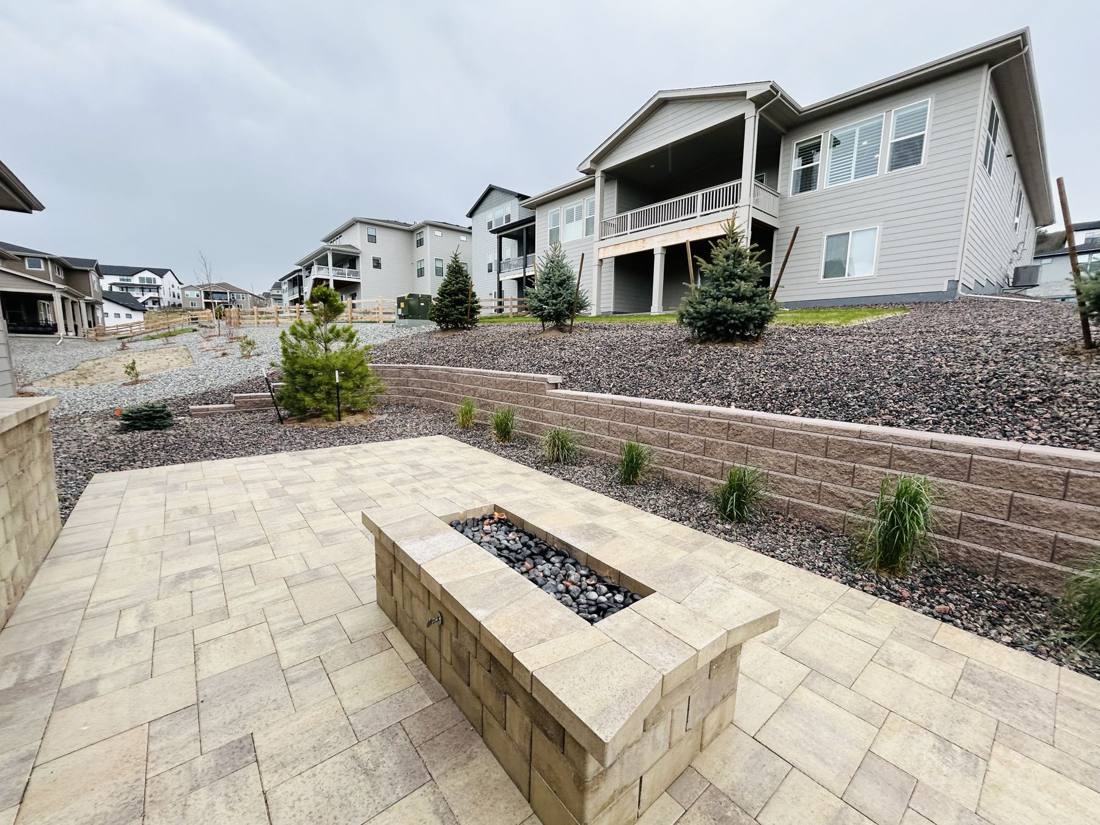
Hardscaping
Why Paver Patios Sink and Heave in Colorado, and How to Prevent It
Paver patios fail in Colorado when water gets trapped in the base and freezes. Here is what causes sinking and heaving, and the base that prevents it.
Read article →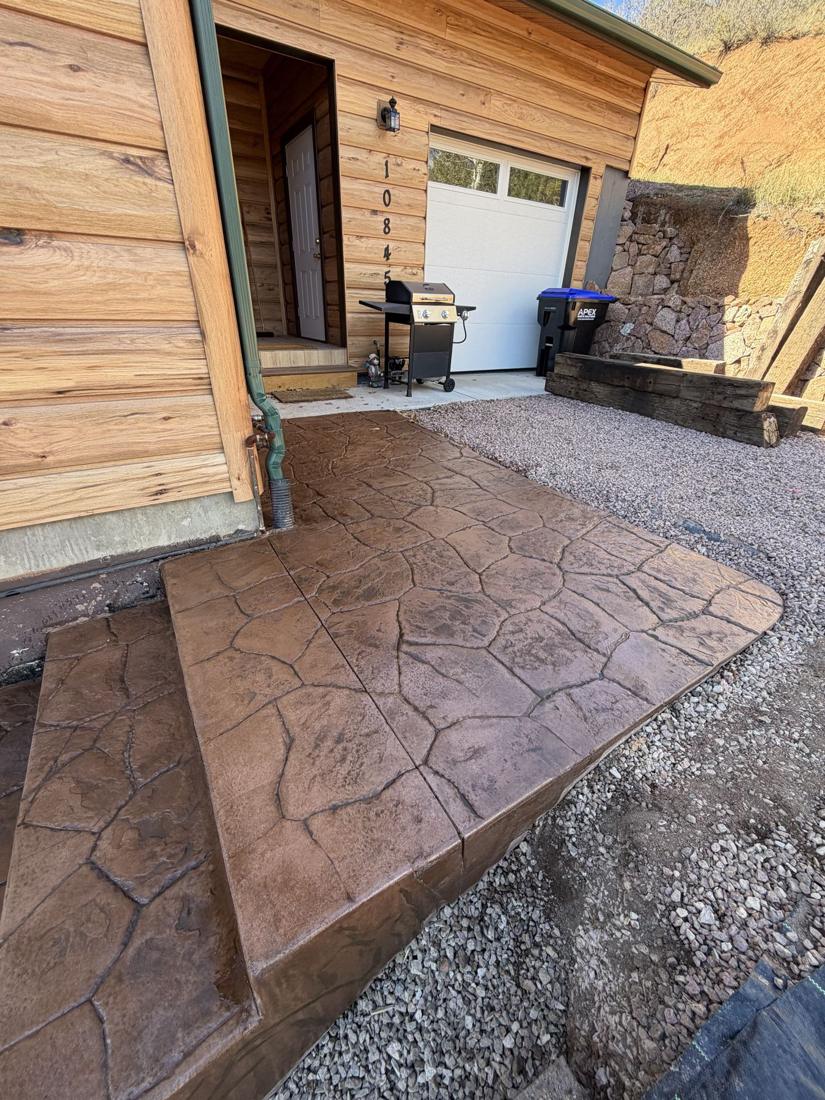
Planning and Budget
Pavers or Concrete for a Colorado Patio: How to Choose
Pavers and concrete both work for Colorado patios when they are built correctly. Compare cost, repair, looks and maintenance to choose the right one.
Read article →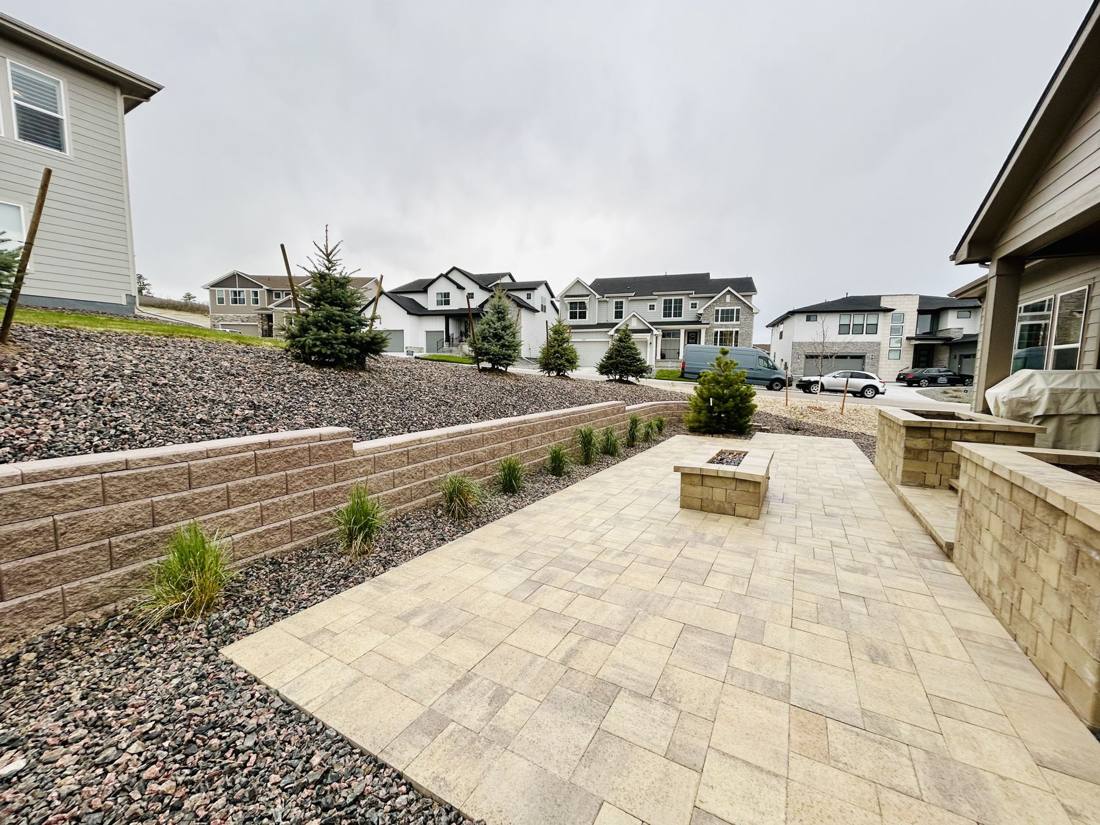
Permits and Rules
Do I Need a Permit for a Retaining Wall in Colorado Springs?
In the Pikes Peak region, retaining walls over 4 feet measured from the bottom of the footing, or walls holding extra load, need engineering and a permit.
Read article →